

ПВХ хөөрсөн досны чанарыг яаж шалгах вэ: Худалдан авагчдад зориулан бүтээлч заавар
ПВХ-ын зөөврийн тавилга (фимекс, Форекс эсвэл целука тавилга гэж нэрлэдэг) хаана ч байдаг. Энэ нь хөнгөн, усанд батгүй, машинжуулахад хялбар, маш удаан эдэлгээтэй.
Гэхдээ энэ нь тоос: учир нь тавилгын буурсан , чанар нь нэг нийлүүлэгчээс нөгөөгөөс ихээхэн өөр байж болно. Бэлэн дээр ижил харагддаг хоёр тавилга нь нягтрал, гадаргын хатуурал, буудалд тэсвэртэй байх нь ялгаатай байж болно. Эдгээр ялгаа нь танай дууссан шкаф олон жил хатуу байх эсэхээ тодорхойлж байна эсвэл сул хамар, урвасан ширхэг, сэтгэл хангалуун бус хэрэглэгчтэй буцаж ирнэ.
ПВХ хөлдүүр дос 20 жил хүртэл үйлдвэрлэж ирсэн үйлдвэрлэгч бид, та бидний досыг сонгож авахын өмнө шалгаж, мөн бүх бусад нийлүүлэгчдийн досыг шалгаж үзэхийг хүсэмжилж бүүү. Энэ заавар та нарын хорин минутын дотор өөрсдөө гүйцэтгэж чадах зургаан шалгах арга хялбар хэрэгсэл ашиглан гүйцэтгэх боломжийг олгож, бидний бүх партийн лабораторийн үр дүнг хуваалцаж бүүү. Та нийлүүлэгчдийн хооронд итгэлтэй харьцуулалт хийж чадах.
Таны хэрэгтэй зүйлс
Зургаан шалгалтын бүхий л нь бүтэн досны хэсгээс 20 см × 20 см хэмжээтний досын жишээг авч, аливаа мастерскойд байгаа хэрэгсэл ашиглан гүйцэтгэж чадах.
- ПВХ хөлдүүр досны 20 см × 20 см хэмжээтний хэсэг (цэвэрхэн, дөрвөлжин ирмүүдтэй)
- Нэг шурууп (3–4 см урт, хурц оройт гүйлдүүр)
- Хөлдүүр досын нугалах шалгалтын хүрд (хутга / хөлдүүр досын хутга)
- Дижитал жингийн тааз (нарийн тодорхойлолт 1 грамм юм уу түүнээс сайн)
- Дижитал зуурваг (зүүн талын хэмжээг тодорхойлохын тулд)
Зөвлөмж: Алхам бүрийн зураг авах эсвэл бичлэг хийх — саналын харьцуулалт үүрд нийтлэг нийлүүлэгчдийн саналын чанарын хамгийн тод баталгаа зургууд болой бүрэн бичлэгүүд.
Туршилт 1. Нягт — Жингийн туршилт
Яагаад анхаарах шаардлагатай вэ: Нягт нь хавтасны чанарын хамгийн чухал илтгэгч юм. Тэр нь хавтасны хатуу байдал, хүчдүүрдүүлэлтийн төвөгтүүлэлт, ажилд оруулахад CNC фрезер машин эсвэл хөнгөн цутгамуйн хувьд хавтасны яаж үйлчлэхийг тодорхойлдог. Хүнд биш (бага нягт) хавтаснууд хөнгөн санагддог, шороотой хагалдог, илүү их магадлалтайгаар ирмүүд дээр трещин үүсдог.
Туршилтын арга: Наад захын 20 см × 20 см хэмжээтний хавтасны жинг тооцоол. 12 мм-ийн хавтасны номиналь нягт 0.55 г/см³ бөлгөөн, тооцоо хялбар: 20 × 20 × 1.2 см = 480 см³ × 0.55 = 264 г.
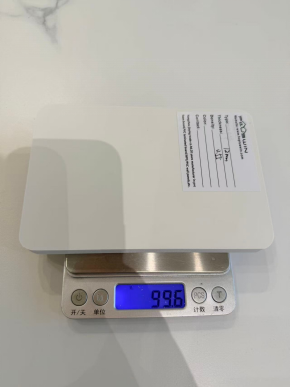
Жишээ зураг: дижитал таразын дээр хөөсөн хавтасны жинг тооцоол
Сайн хавтасны шаардлага: жинлэх 264 г-с илүү . Илүү хөнгөн сэмпл нь ихэвчлэн үнэнхүү нягт захиалгын бүрдүүлснээс бага гэдгийг илтгэрдог.
Бидний үйлдвэрлэлийн өгөгдөл: Бид бүх нийлүүлэлтүүдийн нягтыг өөрсдийн лабораторид хэмжимүүн. 0.50–0.55 г/см³ , бүх үйлдвэрлэлд зориулан нягт 0.40-0.85 г/см³ хооронд тохируулагдах болой. 0.40-0.85 г/см³ (тестийн арга ASTM D792 / ISO 1183, гуравдагч талын SGS-ийн тестировани).
Тест 2. Зузаан — Калиперийн тест
Яагаад анхаарах шаардлагатай вэ: Шүүртний хаалгууд, шүүртний урд талууд ба ирмүүдийн хүрээлэн орхигчид нарийн хязгаартай бүтээдэг. Хэрэв хавтан захиалгаснаас зузаан бага бөл, харилцан үйлчилдэг холбогчид муу сууж, техник хэрэгслүүд хөдөлмүүр, ламинатууд төвөгтэй тааруулж болой.
Туршилтын арга: Цифров калипер ашиглан хавтны дундаж цэгт ба хавтны хоёр талд ойрхон цэгт хэмжимүүн. Калиперийг хавтны гадаргуугаа перпендикуляр байлгимүүн, ингэж хавтны үнэн зузааныг, бүрхүүлийн үзүүрлүүдийн хэмжээг биш хэмжимүүн.
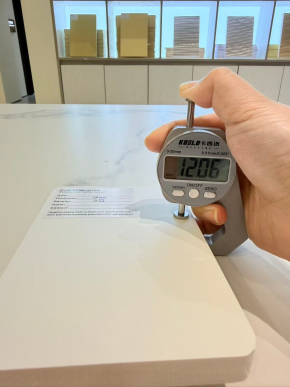
Жишээ зураг: номиналь 12 мм хавтан хэмжих — 12.06 мм уншлагдаж, ±0.2 мм хязгаарт багтаж бөл
Сайн хавтасны шаардлага: уншиж 12.00 мм (± 0.2 мм) нэрний 12 мм-ийн тавилгад бүх хэмжих цэгт тогтмол.
Бидний үйлдвэрлэлийн өгөгдөл: Манай тавилга нь ± 0.2 мм-ийн нягталтын дугаартай байдаг бөгөөд бүх багцыг 50 м2 талбайтай лабораторид цахим нягталтын хэмжилт (хатуурал, нягталтын хэмжилт, цагаан цүнх, буудалд суух хэмжилт) -ээр хэмжиж байна. Жишээ нь, 12 мм-ийн тавилга дээр хийх хэвийн шалгалтаар 12.06 мм-ийн доторх дутагдал нь таатай байна.
3. туршилтын үр дүн Газар дээрх төгсгөл Глюсс & цэвэрлэх боломжтой
Яагаад анхаарах шаардлагатай вэ: Нүүр нь нягт, хаалттай, садар самуун, нам, бактерид тэсвэртэй, цэвэрлэхэд хялбар байдаг. Хэсэг, хатуу булчин нь булчин, хог уусдаг.
Туршилтын арга: Гэрлийн дор дэлхийг хараад гаргаа дагаад яв. Угаалгын нүх, бөмбөг, эсвэл хог, нунтагтай арьсыг шалгаарай.
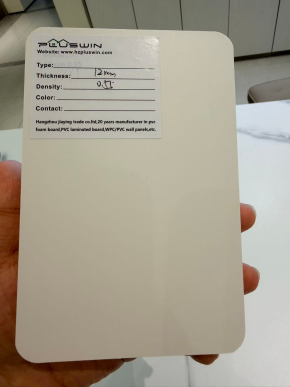
Жишээ зураг: манай ПВХ-ын зөөврийн хавтангийн нягт, тэгш, хаалттай хальсны гадаргуу
Сайн хавтасны шаардлага: байгаа нүүрний талд нь нягт, хальс бус гадаргуу цэвэрлэхэд хялбар, шүршний нүх, бөмбөггүй.
Бидний үйлдвэрлэлийн өгөгдөл: Pluswin тавилга нь Celuka-ийн хамтарсан экструзийн процесс — хөнгөн цутгамал доторх хэсгийн гадна талд глад, нягт гадаргуу үүсдэг. Стандарт хөрвүүлэлт — глад мат; өндөр глянц, модны орнон хүзүүр, мөрөн хүзүүрт хөрвүүлэлтүүдийг бидний 12 хүний ламинатын ажилханахаа үйлдвэрлэндэ.
Туршилт 4. Гадаргууны хатуушилт — Хуруу тавхайны туршилт
Яагаад анхаарах шаардлагатай вэ: Гадаргууны хатуушилт нь хавтангийн өдөр тутмын ашиглалт, зуурын шугам, хүчдүүн нөлөөлөлд төвөгтүүн бүү үүсгэх чадварыг тодорхойлдóг — ажлын гадаргуу, хаалганы хавтан, харуулж буй суудалд онцгой чухал.
Туршилтын арга: Хуруу тавхайн төвхөн хэсгийг гадаргуу дээр хүчтэй дарж, хэдэн удаа дарж, дараа нь гадаргууг түүнд ойрхон харж үз.
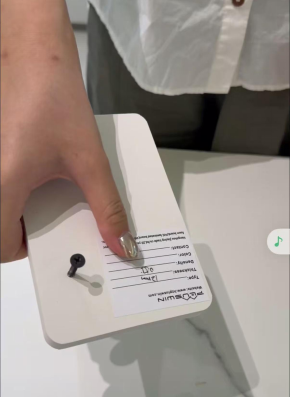
Жишээ зураг: гадаргууны хатуушилтыг шалгахын тулд хуруу тавхайн төвхөн хэсгийг хүчтэй дарж буй бүс
Сайн хавтасны шаардлага: илэрхийлэх хуруу тавхайн тэмдэг юм уу даралтын дүрс илтгүй туршилтын дараа.
Бидний үйлдвэрлэлийн өгөгдөл: Нягт Celuka гадаргуу хатуу, тэмдгүйдүүн гадаргуу үүсгэдэг — Shore хатуушилт D 30 (5 мм хавтан) / D 50 (15 мм хавтан) (туршилтын арга ASTM D2240, SGS-ын туршилт хийгдсэн).
5 дахь туршилтыг хий. Шруу Холбоо Татах туршилтын
Яагаад анхаарах шаардлагатай вэ: Түлхүүр, гарын авлага, хашаа, тоног төхөөрөмжүүд нь өдөр бүр хуудас болон шкаф үйлдвэрлэлийн бордонд ургадаг. Ширээний хатуу хатуух нь хальсан шил, буцааж өгөх, сэтгэл хангалуун бус үйлчлүүлэгчид гэсэн үг.
Туршилтын арга: 10 мм-ийн зайд буудалд буудаж, дараа нь хүчтэй, тогтвортой хүчээр шууд татаж аваарай.
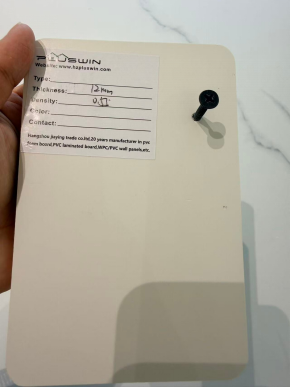
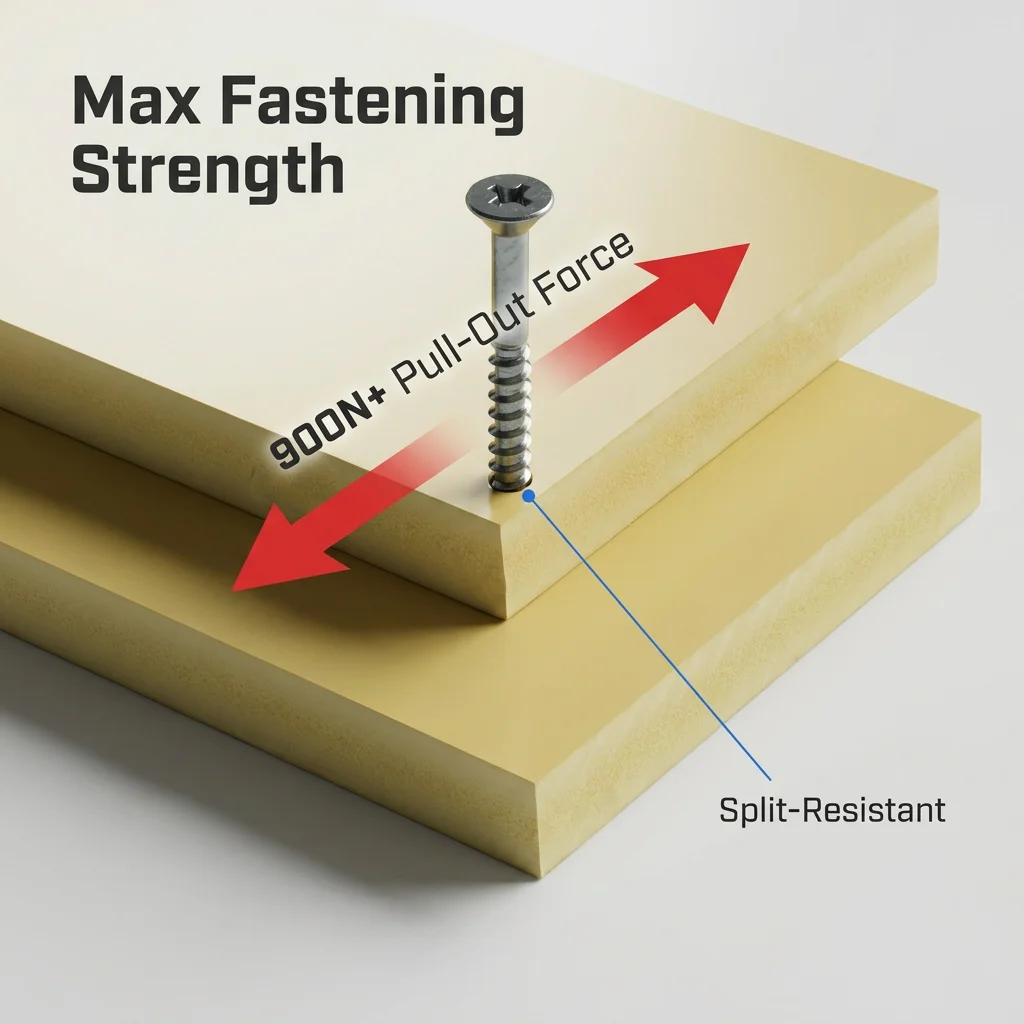
Жишээ зураг: тавилгад ургасан буудалд - тавилга нь түүнийг баттай барьдаг
Сайн хавтасны шаардлага: шилгээг баттай барьж үсийг татаж авахаас сэргийлж, хавтан нүхний эргэн тойронд салгахгүй.
Бидний үйлдвэрлэлийн өгөгдөл: Манай тавилга нь буудалд / цомгийн барьсан хүч хүрэх 850 Н-ээс багагүй (EN 320:2011, SGS-ийн шалгалтаар шалгагдсан туршилтын арга) бид бүх партид хяналт тавих гол үнэт зүйлсийн нэг.
6 дахь туршилт. Уян хатан байдал Уян хатан туршилтын
Яагаад анхаарах шаардлагатай вэ: Уян хатан байдал нь тасалбар нь тээвэрлэлт, удирдлага, эсвэл бүслэгчилсэн хэрэглээгээр хагалахгүй болно. Хэсэг ширхэг тавилга гэнэт эвдэрч, ажил дээрээ хог хаягдал үүсгэж, замын хөдөлгөөнд хохирол учруулж байна.
Туршилтын арга: 4 см × 20 см хэмжээтэй зүүлт хүзүүр таслах, хоёр төгсгөлүүдийг барьж, түүнийг тархимтлан нугалж, тааруулан хугаргах.
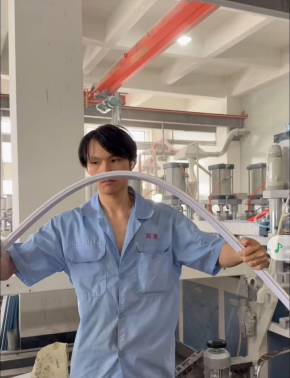
Жишээ зураг: ПВХ хөлдүүр досны таслагдсан зүүлт хүзүүрийг гараар нугалах
Сайн хавтасны шаардлага: нугалах хугарахын өмнө илт харагдах — шүүрхүүр хүчтүүр хугарал бус, удаан, сургуульхан муруй.
Бидний үйлдвэрлэлийн өгөгдөл: Бидний найрлал хатуулаг ба сургуульхан чанарын тэнцвэрт байдалд тулгуурлан бүрдүүлсэн: муруйлтын хүч 18,7 МПа ба муруйлтын модуль 1980 МПа (туршилтын арга ASTM D790, SGS-ын туршилт).
Туршилтуудын тоон үндэслэл — Бидний баталгаажуулж дуусгасан өгөгдлүүд
Доорх хүснэгт Pluswin ПВХ хөлдүүр досны гол үзүүрлүүдийн нийлбэрлэлтийг үзүүлж буй. «SGS / Intertek» гэж тэмдэглэсэн утгууд нь төлөөлөх үйлдвэрлэлт образцуудын гуравдугаар талын лаборатори тайлангаас авагдаж буй; тайлангууд хүсэлт дээр хүрдүүлж болой, мөн бараа хүрдүүлж буй.
|
Чадвар |
Нэгж |
Үнэ |
Сорилтын арга — өгөгдлийн источник |
|
Нягт |
г/cm³ |
0.40 – 0.85 (нөөц 0.50–0.55) |
ASTM D792 / ISO 1183 — SGS |
|
Ус шингээх чадвар (24 цаг) |
% |
хамгийн их 1.43 |
24 цаг усанд дүрэн — SGS |
|
Нугалах хүч |
МПа |
18.7 |
ASTM D790 — SGS |
|
Шугаман модуль |
МПа |
1,980 |
ASTM D790 — SGS |
|
Растяжим хүч |
МПа |
9.76 |
ASTM D638 — SGS |
|
Шор түвшин D |
— |
30 D (5 мм) / 50 D (15 мм) |
ASTM D2240 — SGS |
|
Торхойн/хөлдүүрний барих хүч |
N |
≥ 850 |
EN 320:2011 — SGS |
|
Дулааны дамжуулалт |
W/(m·K) |
0.0678 |
ISO 8301 — SGS |
|
Формальдегидын ялгарал |
мг/м³ |
ND (< 0.080) |
GB 18580-2017 (E1) — SGS |
|
Гал түймэртэй тэмцэх чадвар |
— |
DNI – дүүрэн таалан горьдохгүй; 0 мм/мин |
ECE R118 Rev.3:2023 — SGS |
|
Хэмжээнд стабиль |
% |
хамгийн ихдээ 0.5 |
Дулааны туршилт 70 °C, 24 цаг |
|
Үргэлжлэх хэмжээний төлөвлөгөө |
мм |
± 0.2 |
Үйлдвэрийн чанарын хяналт — бүх нийлүүлэлт |
* Гуравдугаар талын утга ("SGS / Intertek") нь төлөөлөх үйлдвэрлэлтийн дээж дээр суурилж, зэрэглэл, нягт ба найрлагаас хамаарч бага зэрэг хувьсаж болзош. Холбогдох техникийн үзүүлэлтүүд Техникийн өгөгдлийн хуудсанд (TDS-PVC-2026-001) ба хүлээн зөвшөөрсөн захиалгад тодорхойлогдсон.
Худалдан авагсад Pluswin-ийг сонгож буй шалтгаан
1. Та үйлдвэрээс шууд худалдан аваа. 21 000 м² үйлдвэр, 14 үйлдвэрлэлийн шугам, 55 машин; өдөрт 250 тонн, жилд 80 000 тонн хүртэл үйлдвэрлэх чадвар. Далд дундаж хүн бүү бай, худалдааны газрын нэмэгдүүлэлт бүү бай — үйлдвэрээс шууд үнэ, тоо хэмжээс хамаарч хөнгөлөлт.
2. Таны чанар баталгаажуулж, зөвхөн амлалт бүү бай. iSO 9001:2015, CE (EN 14041:2018), RoHS 2.0, REACH-SVHC, ECE R118 гал төөрүүлэх чадвар (DNI, 0 мм/мин), ASTM E84, формальдегид E1 (ND) гэх мэт 13 идэвхт баталгаа. Нийтлэг Intertek үйлдвэрлэлийн аудит 2026 оны 1-р сард амжилттай үйлдсэн.
3. Таны шаардлагыг бүтнээр нь хөнгөвчлөн тохируулж болзош. Түүхий эдийн зүйлсийн нарийвчлал 1–30 мм, нягт 0.40–0.85 г/см³ хооронд тохируулж болох, ямар ч Pantone өнгө, хүсэж буй хэмжээ, OEM / ODM дэмжлэт — ламинат ба толин гадаргууны хүрээдүүр үйлдвэрлэлд 12 хүний бүрдүүлсэн өөрсдийн ламинатын цех.
4. Таны захиалга цагт нь ирж хүрч ирнэ. Нөөцөнд байгаа бүтээлд 2 өдөр, ердийн үйлдвэрлэлд 25–45 өдөр, шаардлагатай захиалгад 7 өдөрт хугацаа хурдасгаж болох, нэмэлт төлбөр шаардагүй. Цагт нь хүрч ирснүүр 95%+ бөлгөөн, дунджаар 2 цагаас бага хариу үе, бүх захиалгын хувьд Alibaba.com Trade Assurance хамгаалалт үүрдүүр.
5. Таныг хамгаалах арилжааны нөхцөл. Үндсэн нөхцөл FOB Ningbo, EXW, CNF, CIF, DDP, DAP-т дэмжлэт; контейнерын захиалгын хувьд манай урьдчилан төлбөртүүрт хүртэл CNF-с CIF-т үнэгүй дэвшүүр — бид таван хүртэл таны ачааг инвойсын үнэд 110%-т даатгаж өгнө. Холимог контейнерын ачаалал ба үнэгүй сорилтууд (захиалгачийн төлбөрт) үүрдүүр.
6. Дэлхийн масштабт баталгаажуулсан амжилттун хамтран ажиллах тал. Зургаан тив дээрх 96 улс, бүс нутагт экспортируулж; Аллибаба.ком-д 10 жил дараалан Алтан Нийлүүлэгч; дэлгүүрний үнэлгээ 4.8/5; дистрибьюторууд, газрын хоолойн ба мөрөн хүрдний үйлдвэрүүд, худалдааны хэлхээ, цахим худалдааны зарлагчид, инженерийн төсөлд худалдагчид.
Ихэнх асуултууд
Яаж би захиалгын нягтсүүрт тохирох нягтыг шүүх вэ?
Дээрх Тест 1-ийг ашиглана: 20 см × 20 см хэмжээтний жинхэнэ зүйлсийн жинг хэмжинэ. 12 мм зүйлс, 0.55 г/см³ нягтад 264 г-т хүртэл хүрэх ёстой. Плюсвин-ийн бүх партийн жинг бидний дотоод лабораторид хайрцгийн өмнө хэмжинэ, нягт бүх жинхэнэ зүйлс ба хүргэлтийн шүүлтэнд тэмдэглэгдсүүрт тавигдана.
Плюсвин хүссэн хэмжээ, өнгө, нягт үйлдвэрлэж чадах уу?
Тийм. Зүйлсийн зүүд 1–30 мм хооронд, нягт 0.40–0.85 г/см³ хооронд хувьсаж, Пантон өнгөнд тохируулж, хүссэн хэмжээд хийдэг. Бүх ОЕМ ба ОДМ үйлчилгээ үзүүлдэг, хүссэн хайрцгийн дизайн ба хувийн шүүлтэнд хамаарна.
Та жинхэнэ зүйлс, техникийн үнэлгээний баримт ба сертификат үзүүлдэг уу?
Бид та нарын захиалга өгснөөс өмнө үнэгүй жишээг (хүргэлтийн зардал хүлээгч, 2 хоногт дуусгаж илгээдэг) болон техникийн үзүүлэлтүүдийн хуудас, гуравдугаар талын SGS / Intertek-ийн тайланг урьдчилан хуваалцаж өгдөг. Тодорхойлолтуудыг ихэнхдээ бараа хамт илгээдэг.
Хүргэлт хэдэн өдөр үргэлжлэх вэ?
Нөөц цагаан хавтангууд (3–30 мм, нягт 0.50–0.55) ойролцоогоор 2 хоногт илгээдэг. Хэдийн тогтоосон үйлдвэрлэлийн захиалгын хугацаа хэмжээнд хамаарч, 25–45 хоног үргэлжилдөг; шаардлагатай тохиолдолд нэмэлт төлбөр үл шаардагдахад 7 хоногт шургуулж болдөг.
Манай экспортын бүлгийн ажилтнуудтай ярилцаж үз
Үнэгүй жишээ, сүүлийн техникийн үзүүлэлтүүдийн хуудас авахын зэрэгцээ дээрх зургаан шизээт туршилтын тусламжтайгаар манай хавтангуудыг шалгаж, дараа нь анхны захиалгыг өг. Манай экспортын бүлгийн ажилтнууд хариулдөг 2 цагт .
- Холбоо барих хүн: Кэрри Чэнь
- Alibaba.com дээрх дэлгүүр: jiayingtrade.en.alibaba.com (TradeManager)
- Вебсайт: www.hzpluswin.com · Имэйл: [email protected]
- WhatsApp: +86 185 5752 7095
Санал болгож буй бүтээлүүд

Дуудлага
-
ПВХ хөөрсөн досыг хэрхэн хүүрдэх, бүрхүүлд нь цулцмай үүсгэх, хугаруулах: Бүтээлд зориулан бүтэн заавар
2026-09-24
-
PVC & WPC хөөрхий доска талаар асууж буй асуулт
2026-09-24
-
PVC цөвхөн хавтгай ба WPC хавтгайын Түүнд холбогдож буй асуулт: Бүтээд, хувийн тохируулалт, чанар ба хүргэлт
2026-09-08
-
ПВХ хөөрсөн досны чанарыг яаж шалгах вэ: Худалдан авагчдад зориулан бүтээлч заавар
2026-09-08
-
Үнэ тагтгүй лукс: ПВХ мрамор хавтгайнууд хүртэлхийн дотоод гадаадын үзэсгэлд яаж шинэ тодорхойлолт өгч байгаа
2026-08-14
-
PLUSWIN үйлдвэрт хатуу чанарын хяналтын процессийг нээж, бид яаж PVC хавтангийн бүх партийн тогтвортой зүйн өндөр, формальдегидгүй, дуртамжит чанарыг гарантуйн гүйцэтгэж буйг үз.
2026-07-21
-
Профессионального үйлдвэрлэгч JIAYING PLUSWIN-ийн хүснэгт дагуу хэмжээт PVC хөөсөн хавтангууд
2026-06-05
-
Ханчжоу Цзяйнг Трейд Ко., Лтд.-ийн бүтээгдэхүүний давуу талууд
2026-03-27
-
Хятадын портатив PVC хавтан үйлдвэрлэгчдийн саналд бүрэн итгэлтүүн: Чанар ба үйлчилгээний хоёр талт баталгаа
2026-01-23
-
Цөөн Давхарга, Илүү Нэвтрэлттэй: Хэрхэн 3 Давхаргат ПХД Хамт Олон Удаа Гарталтын Самбар Ашигтай Ажиллагааг Мэдээлж Байна
2025-12-11