

PVC and WPC Board Fire Ratings Explained: ECE R118, ASTM E84 and EN 13501-1
"Fireproof PVC board" is a phrase that appears on a great many websites and in almost no test reports.
PVC foam board is not fireproof. It is a self-extinguishing thermoplastic: once the ignition source is removed, the flame goes out rather than continuing to propagate. That is a genuine and valuable property — but it is not the same claim as "fireproof", and no responsible supplier should let you specify on that basis.
What a project actually needs is a test report against a named standard, with a classification and a report number you can verify. This article explains the three standards you are most likely to be asked for, what each one measures, and how to read the results.
Why "fireproof" is the wrong word
Fire performance is not a single property. It is a set of measured behaviours, and different standards measure different ones:
|
What is being measured |
Standard that covers it |
|
Surface flame spread across a material |
ASTM E84 |
|
Burning behaviour of vehicle interior materials |
ECE R118 |
|
Reaction to fire, with smoke and droplet sub-classes |
EN 13501-1 |
A board can perform well under one and poorly under another, because the tests do not ask the same question. This is why a project specification must name the standard, not just say "fire rated".
Two structural facts about our boards are relevant here:
- Self-extinguishing behaviour. Both our co-extrusion board (PL-04) and Celuka board (PL-01) are self-extinguishing — the flame goes out once the ignition source is removed.
- PVC foam is a thermoplastic. It softens under sustained heat (Vicat softening point 56 °C, measured) and is not intended for use as a fire barrier or as building structural members.
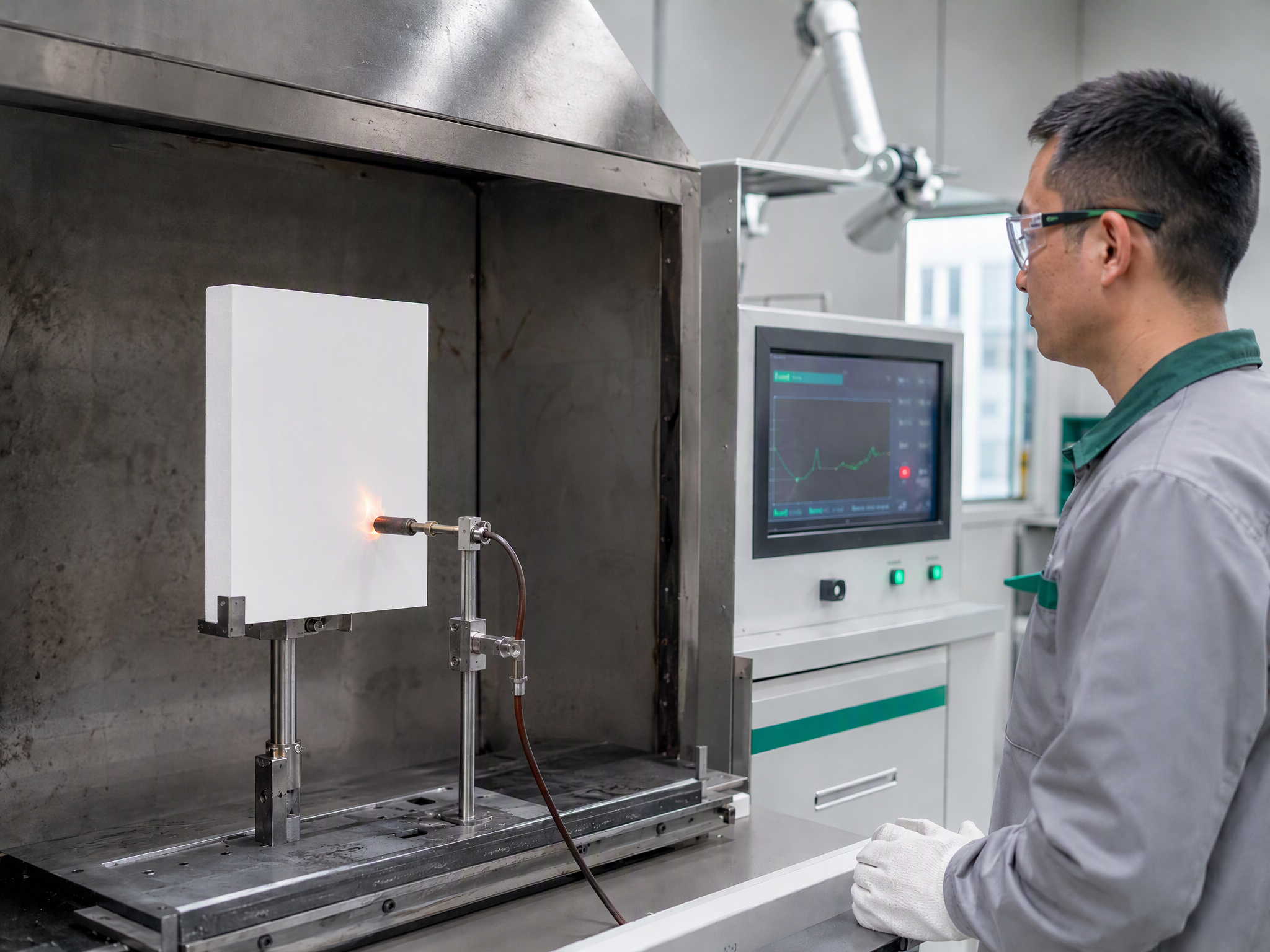
Figure 1. Controlled ignition testing inside a protected laboratory enclosure.
ECE R118 Rev.3:2023 — vehicle interiors
What it is: a UN ECE regulation governing the burning behaviour of materials used in vehicle interiors. It applies when PVC or WPC board is used in buses, coaches, trains and other vehicle fit-outs, and is commonly referenced for interior linings and trim panels.
What we hold:
|
Item |
Detail |
|
Standard |
ECE R118 Rev.3:2023, Annex 6 + 8 |
|
Product tested |
16 mm PVC foam board |
|
Result |
DNI (Does Not Ignite) |
|
Burning rate |
0 mm/min |
|
Outcome |
PASS |
|
Issued by |
SGS, 15 May 2025 |
Why DNI matters. DNI — "Does Not Ignite" — with a burning rate of 0 mm/min is the strongest outcome in this test family. For a vehicle interior application, it means the board did not sustain combustion under the test conditions.
ASTM E84-2024 — North America, referenced by the IBC
What it is: the standard surface burning characteristics test for building materials in North America, referenced by the International Building Code (IBC) for commercial and architectural projects. It produces two indices:
- FSI — Flame Spread Index
- SDI — Smoke Developed Index
The classification is derived from the FSI, using these bands: FSI 0–25 = Class A, 26–75 = Class B, 76–200 = Class C.
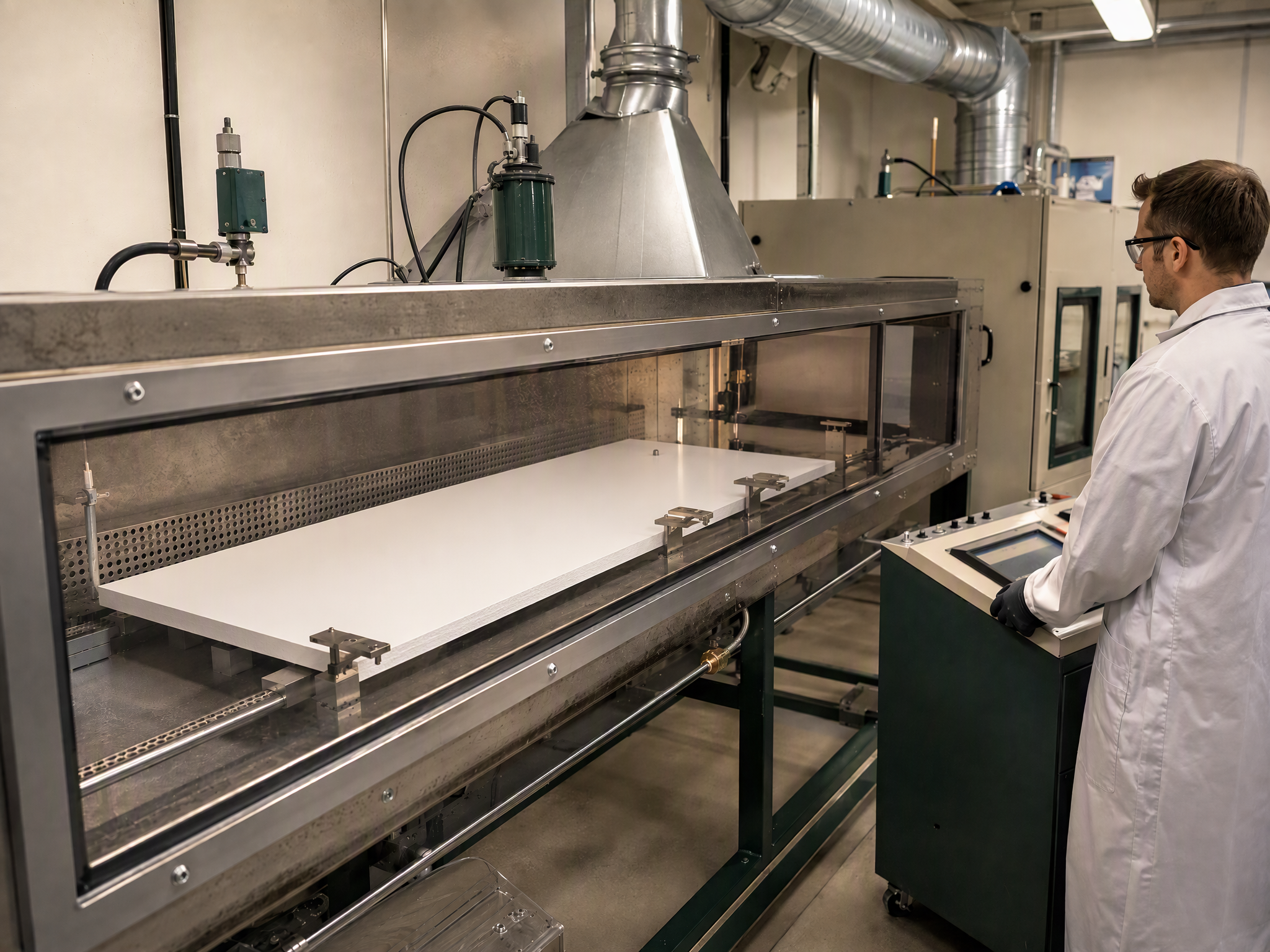
Figure 2. Standard fire testing requires dedicated, controlled test equipment.
What we hold:
|
Item |
Detail |
|
Standard |
ASTM E84-2024 |
|
Product tested |
PVC co-extrusion board |
|
Result |
FSI 120 · SDI 650 · Class C |
|
Report number |
AJFTS26000009R01 |
|
Issued by |
SGS, 29 January 2026 |
A complete, current report you can submit. The ASTM E84-2024 test was carried out by SGS on 29 January 2026 on our PVC co-extrusion board. The report is complete, carries report number AJFTS26000009R01, and can be submitted for project approval and registration — customers have already used it to support US project approvals.
Three things make it straightforward to work with at the specification stage:
- It is current. A 2026-edition test, not an older report carried over from a previous product generation.
- It is independently issued and verifiable. SGS, with a report number you or your specifier can confirm directly with the issuing laboratory.
- It is available to submit. Send us the project reference and we will provide the report, together with the TDS and the relevant physical property data, in the form your authority or main contractor needs.
Working with the numbers. Our tested board is reported at FSI 120 and SDI 650. If your specification names a standard or a class, send it to us at the specification stage — we will confirm whether our existing report covers your requirement, and if additional or different testing is needed we will scope it with you.
EN 13501-1 — the EU construction fire classification
What it is: the European reaction-to-fire classification system for construction products. Its classifications have three parts, and all three matter:
|
Element |
Meaning |
|
B |
The main reaction-to-fire class (A1 is the highest, F the lowest; B is a high class) |
|
s1 |
Smoke production — s1 is the most favourable (little smoke) |
|
d0 |
Flaming droplets — d0 is the most favourable (no flaming droplets) |
So a B-s1,d0 classification is a strong result: limited contribution to fire, low smoke production, no flaming droplets.
Our current position: we do not hold an EN 13501-1 report. Nor do we hold UKCA. If your EU or UK project requires EN 13501-1, we can arrange third-party testing together with you: costs are shared, and our support covers samples, factory documentation, audit cooperation and authorization letters. The test is carried out by an accredited third party — we cannot shorten or shortcut that process, and any supplier who claims to be able to should be treated with caution.
Which report does your project need?
|
Market / application |
Standard typically required |
Our status |
|
EU — building products |
EN 13501-1 |
Not held; can be arranged with the customer, costs shared |
|
EU / UK — vehicle interiors |
ECE R118 |
Held — 16 mm board, DNI, 0 mm/min (SGS, 2025) |
|
North America — building decoration, IBC-referenced |
ASTM E84 |
Held — FSI 120 · SDI 650 · Class C (SGS, 2026) |
|
UK — construction products |
UKCA |
Not held; can be arranged |
|
General indoor use, no code requirement |
— |
Self-extinguishing material property applies |
Reading a fire test report: the five fields that matter
When a supplier sends you a fire report, check these five things before you rely on it:
- The standard and edition year — ASTM E84-2024 is a different reference point from an older edition.
- The exact product and thickness tested — a 16 mm result does not automatically transfer to a 3 mm board, and a co-extrusion result does not transfer to free foam.
- The classification, not just the raw indices — FSI 120 means little until you know it maps to Class C.
- The issuing laboratory — accredited third-party bodies such as SGS, Intertek, TÜV or FEMKO.
- The report number and date — you should be able to verify it with the issuing body. Our ASTM E84 report number is AJFTS26000009R01.
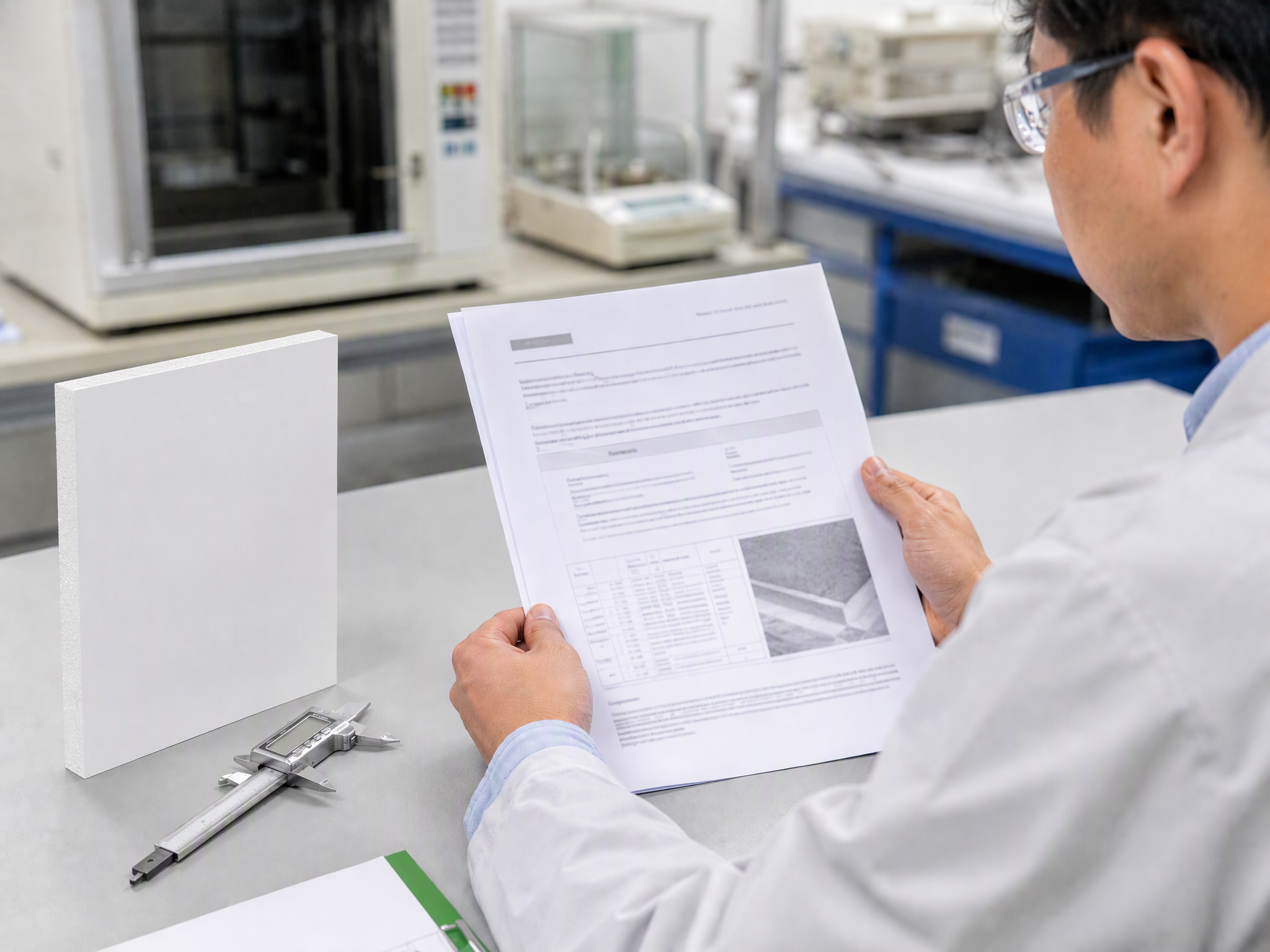
Figure 3. Verifying a fire test report against the tested product sample.
If any of the five is missing, the document is a claim rather than evidence.
What to do when the report you need doesn't exist yet
This is a common and solvable situation. The sequence that works:
- Identify the standard your authority actually requires — the code reference, not a general description. "Fireproof" is not a specification.
- Check what your supplier already holds — an existing report may already cover your application if the standard and product match.
- If testing is needed, agree the cost split and the sample plan up front — who provides samples, who pays the laboratory, who holds the report.
- Build the testing lead time into your programme. Third-party fire testing cannot be compressed on demand.
- Ask for a written statement of what is held and what is not. A supplier who will put their certification status in writing is a supplier you can plan around.
Frequently asked questions
Is PVC foam board fireproof?
No. It is self-extinguishing — the flame goes out once the ignition source is removed — which is a different and more limited property than being fireproof. For code compliance you need a test report against the standard your authority references.
Do you hold an ASTM E84 fire test report, and can I submit it?
Yes. Our PVC co-extrusion board was tested to ASTM E84-2024 by SGS on 29 January 2026, reported at FSI 120 and SDI 650. The full report is available and can be submitted for project approval and registration, and customers have used it to support US project approvals. Send us the project reference and we will provide the report with the TDS and supporting data.
Does PVC foam board pass ECE R118?
Our 16 mm PVC foam board passed ECE R118 Rev.3:2023 (Annex 6 + 8) with a DNI result — Does Not Ignite — and a burning rate of 0 mm/min, as tested by SGS on 15 May 2025.
Do you hold an EN 13501-1 report?
No. We do not currently hold EN 13501-1 or UKCA. We can arrange testing jointly with customers, with costs shared and our support covering samples, factory documentation, audit cooperation and authorization letters.
Which thickness was tested?
The ECE R118 result is for 16 mm PVC foam board and the ASTM E84 result is for PVC co-extrusion board. Fire classifications are product- and thickness-specific, so confirm that the report you are relying on covers the specification you intend to use.
Ask us for the fire documentation
Tell us the destination country, the application and the standard your specifier references. We will send the reports we hold, state clearly what we do not hold, and if testing is required we will scope it with you.
Hangzhou Jiaying Trade Co., Ltd. (Pluswin) — 13 active certifications issued by SGS, Intertek and FEMKO, all with verifiable certificate numbers. Manufacturer of PVC and WPC boards since 2006, Hangzhou, Zhejiang, China.
Recommended Products

Hot News
-
How to Read a PVC Foam Board TDS (and Write a Spec That Protects You)
2026-10-22
-
Importing PVC and WPC Boards from China: Landed Cost, HS Codes and Customs Documents
2026-10-22
-
PVC and WPC Board Fire Ratings Explained: ECE R118, ASTM E84 and EN 13501-1
2026-10-22
-
How to Cut, Drill and Bend PVC Foam Board: A Complete Fabrication Guide
2026-09-24
-
PVC & WPC Foam Board FAQ
2026-09-24
-
PVC Foam Board & WPC Board FAQ: Products, Customization, Quality and Shipping
2026-09-08
-
How to Test the Quality of PVC Foam Board: A Practical Buyer’s Guide
2026-09-08
-
Luxury Without the Price Tag: How PVC Marble Sheets Are Redefining Modern Interior Aesthetics
2026-08-14
-
Discover the rigorous quality control process inside the PLUSWIN factory. Learn how we guarantee consistent thickness, zero formaldehyde, and superior durability in every PVC board batch
2026-07-21
-
CustomSize PVC Foam Boards from Professional Manufacturer JIAYING PLUSWIN
2026-06-05