

PVC Foam Board vs Acrylic: Cost, Weight and Fabrication
Commercial Engineering & Procurement Comparison
|
SEO META & PUBLISHING SPECIFICATIONS Meta Title: PVC Foam Board vs Acrylic: Cost, Weight & Fabrication Guide | Sign & Display Supplies |
1. Introduction: Balancing Aesthetics, Structural Weight, and Budget
In the design and manufacturing of architectural signs, point-of-sale (POS) retail fixtures, trade show exhibits, and interior wall lettering, fabricators frequently choose between Expanded Rigid PVC Foam Board and Cast Acrylic (Polymethyl Methacrylate / PMMA / Plexiglass).
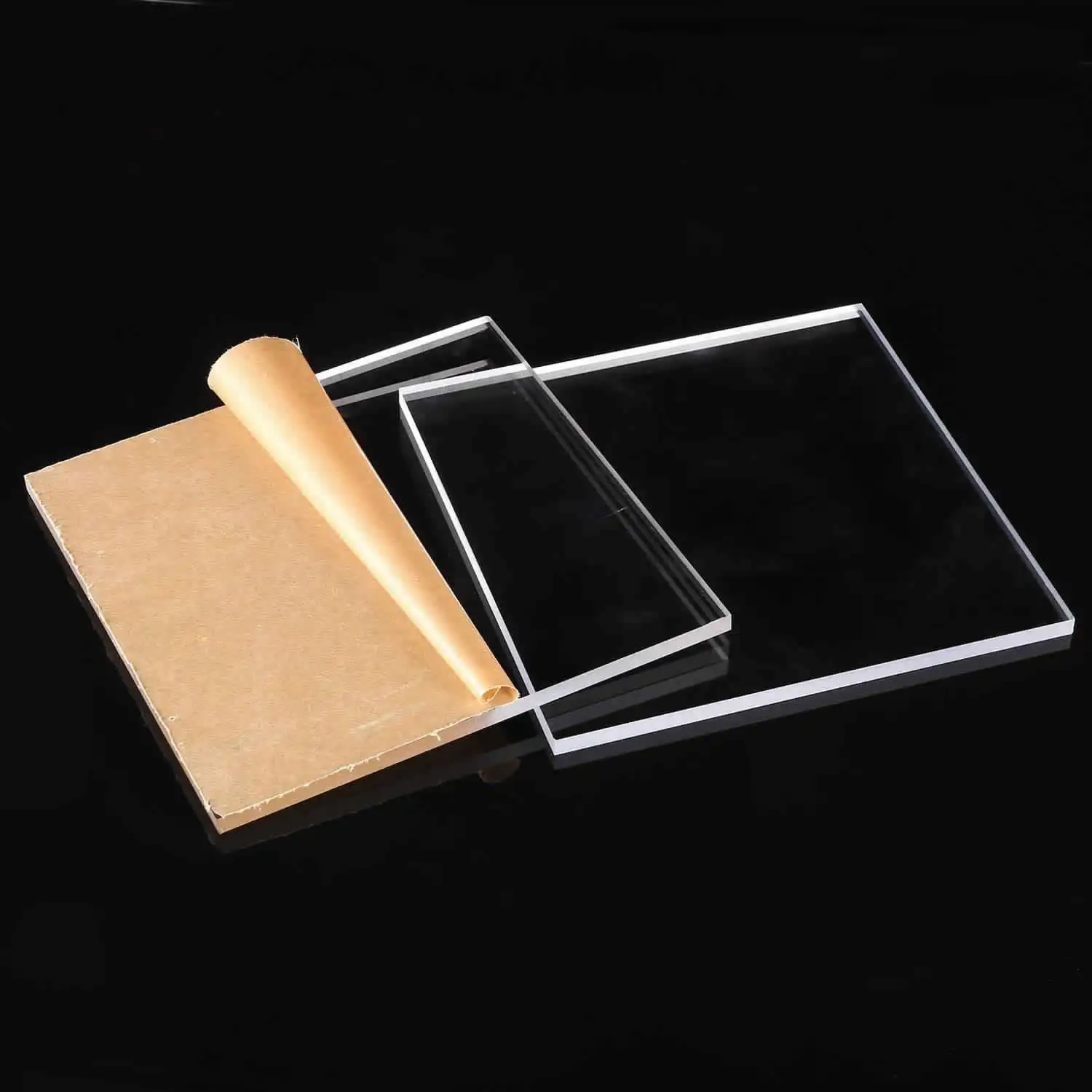
While Acrylic has long been celebrated for its glass-like optical clarity, high-gloss brilliance, and premium aesthetic, thick Acrylic sheets (such as 18mm thickness) introduce significant challenges: excessive structural weight, brittle cracking during mechanical fastening, and steep material costs. On the other hand, 18mm Rigid PVC Foam Board offers an ultra-lightweight, easy-to-machine, and budget-friendly alternative that can be painted or direct-printed to achieve high-end commercial finishes.
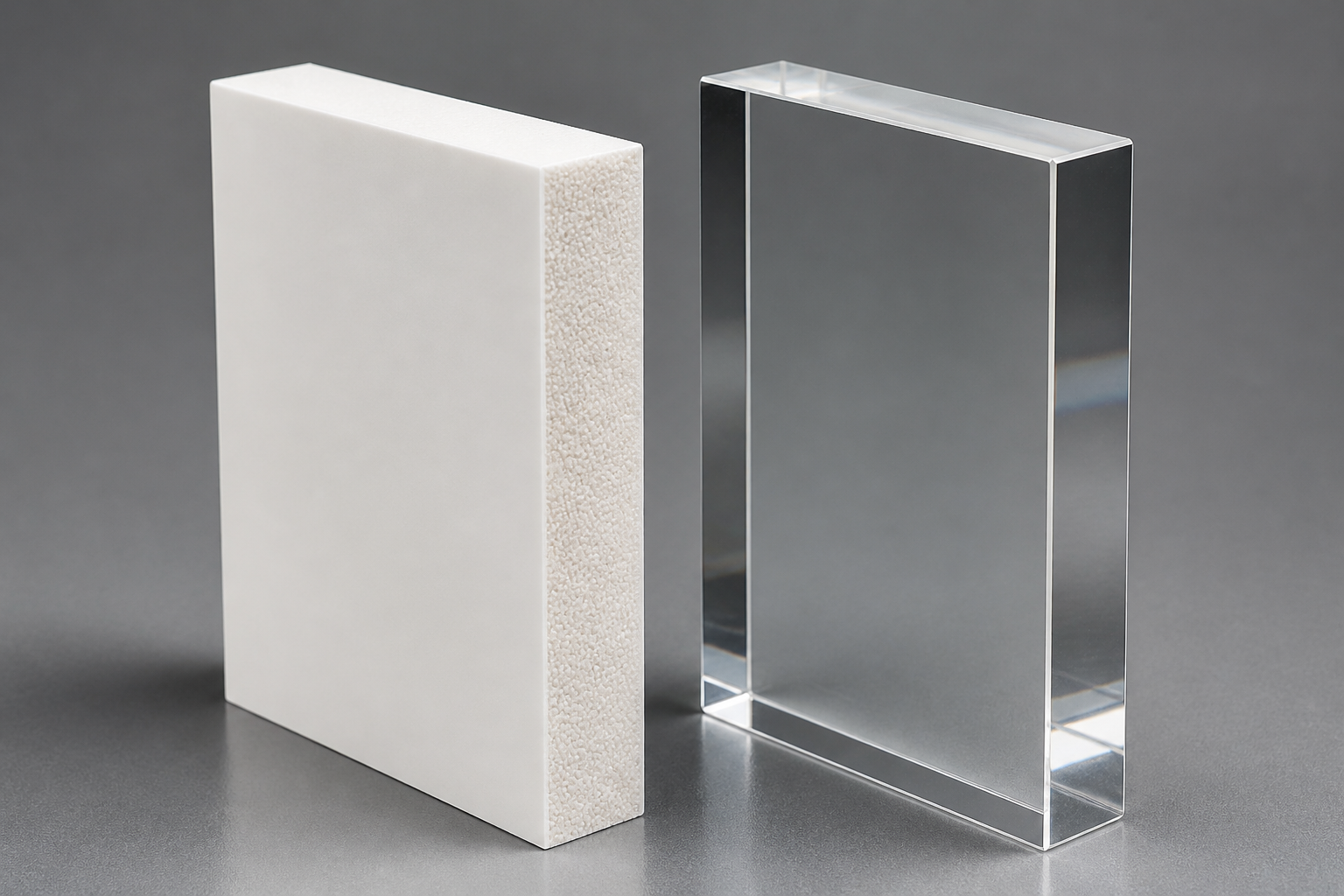
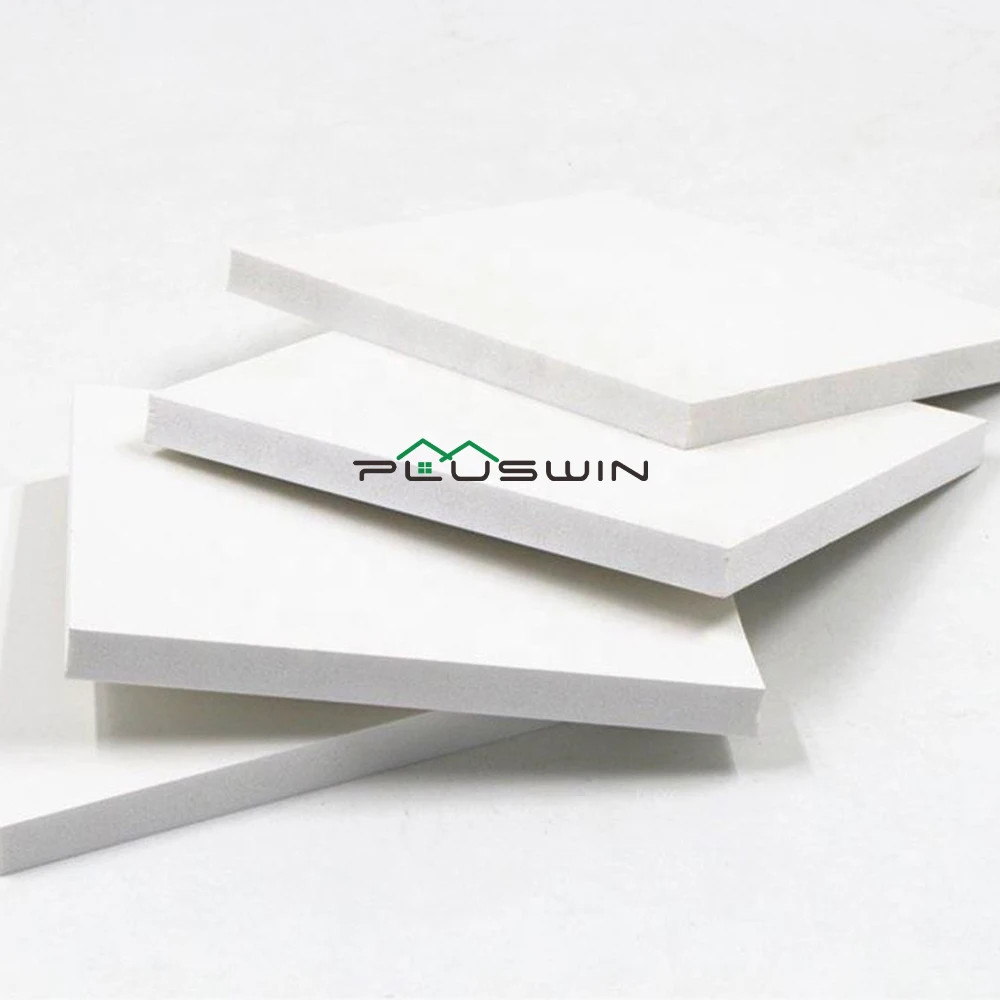
Figure 1: Side-by-side visual comparison of an 18mm opaque white Rigid PVC Foam Board (micro-cellular foam core) and an 18mm crystal-clear polished Cast Acrylic block.
2. Weight and Density: Structural Load & Shipping Impact
One of the most consequential differences between PVC foam board and solid acrylic lies in their specific gravity (density), which directly impacts shipping freight, handling ease, and wall mounting requirements.
- Cast Acrylic Sheet: Density is approximately 1.19 g/cm³ (1,190 kg/m³).
- 18mm Rigid PVC Foam Board: Density typically ranges between 0.50 g/cm³ and 0.65 g/cm³ (Standard: approx. 0.55 g/cm³).
Calculated Weight Comparison for a Standard 1220 x 2440 mm (4 x 8 ft) Sheet at 18mm Thickness (Volume = 0.05358 m³):
- 18mm Cast Acrylic Sheet: 0.05358 m³ x 1,190 kg/m³ = 63.8 kg (140.6 lbs)
- 18mm PVC Foam Board (0.55 g/cm³): 0.05358 m³ x 550 kg/m³ = 29.5 kg (65.0 lbs)
Key Takeaway: An 18mm PVC Foam Board is MORE THAN 50% LIGHTER than an equivalent 18mm Acrylic sheet. This translates directly to lower freight costs, easier one-person handling on CNC tables, and reduced load-bearing requirements for drywall installations.
3. Cost Analysis: Raw Material & Total Project Economy
|
Cost Factor |
18mm Rigid PVC Foam Board |
18mm Cast Acrylic (PMMA) |
|
Raw Material Cost per Sheet (4x8 ft) |
Baseline (1.0x - Highly Economical) |
Approx. 3.0x - 4.5x higher cost |
|
Tooling & Cutter Wear Cost |
Low (standard carbide bits last long) |
Moderate to High (requires specialized diamond/O-flute bits) |
|
Fastener & Hardware Expense |
Low (standard wood/sheet metal screws) |
Moderate (standoffs, threaded inserts, solvent cements) |
|
Scrap / Breakage Risk |
Virtually zero (flexible, impact resistant) |
Moderate (brittle stress cracking during drilling) |
|
Shipping & Logistics Cost |
Low (maximum sheets per container ton) |
High (dense freight weight reaches limits faster) |
4. Fabrication & Machining Comparison
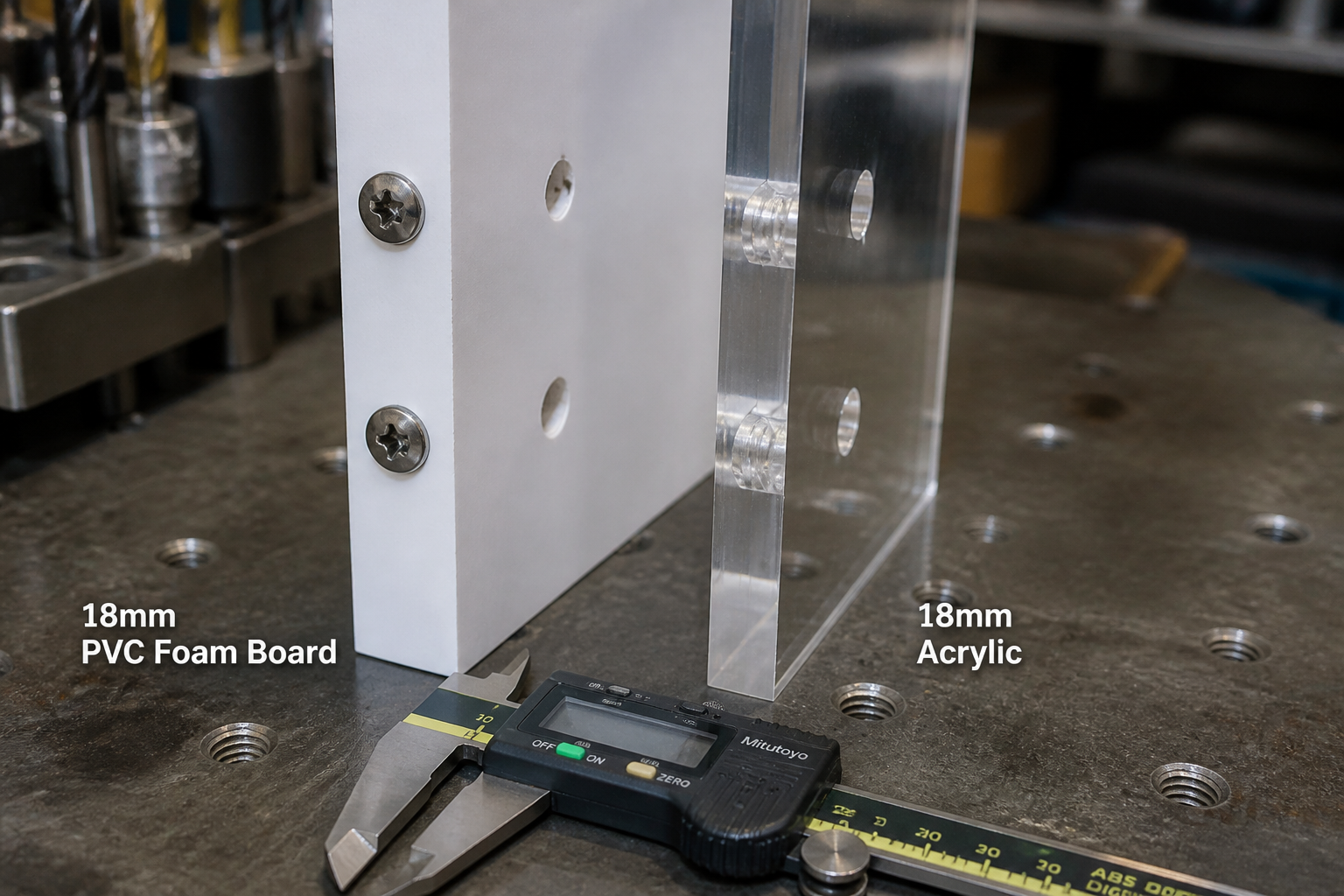
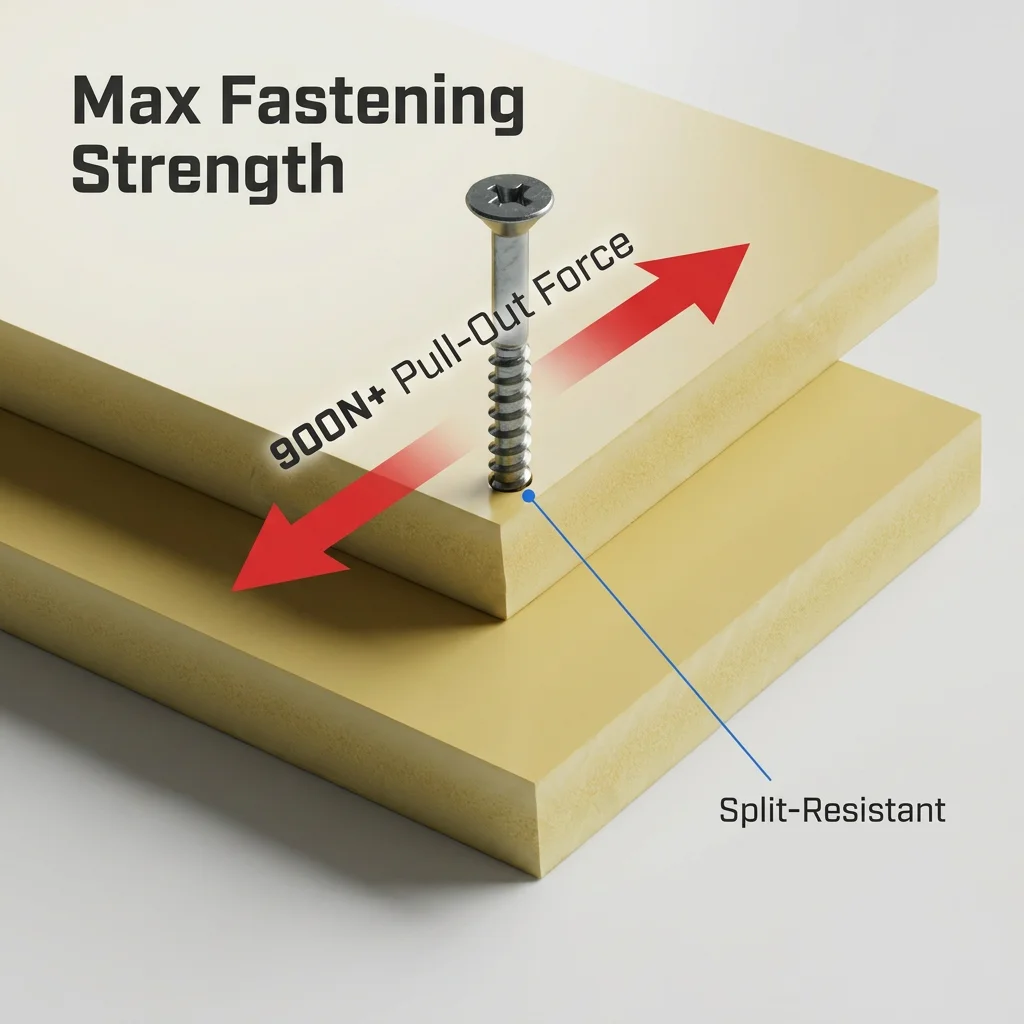
Figure 2: Machining and fastening test showing clean screw retention and CNC tooling behavior on 18mm PVC foam board vs solid acrylic.
4.1 CNC Routing & Milling
PVC Foam Board cuts effortlessly on any 3-axis CNC router with high feed rates (15 - 20 m/min). It generates fine, non-sticky chips that vacuum easily. Edges remain solid, smooth, and ready for painting without tedious manual sanding. Acrylic requires strict feed-to-speed balance to prevent chip re-welding (melting) along the cut path, plus flame or diamond polishing along edges.
4.2 Mechanical Fastening & Screw Retention
PVC Foam Board features outstanding screw-holding strength. Screws can be driven directly into the face or the 18mm edge without pre-drilling and without risk of splitting or blowout. Acrylic is brittle under mechanical tension: driving a screw directly into acrylic causes immediate spiderweb fractures or complete shattering, requiring oversized pilot holes or solvent bonding.
4.3 Laser Cutting Safety Warning
Acrylic is the undisputed champion of CO2 laser cutting, producing an instant polished edge. Conversely, PVC Foam Board must NEVER be cut with a CO2 laser, as thermal degradation releases hazardous chlorine gas and hydrochloric acid vapors. CNC mechanical routing is the standard processing method.
5. Visual Finish and Application Suitability
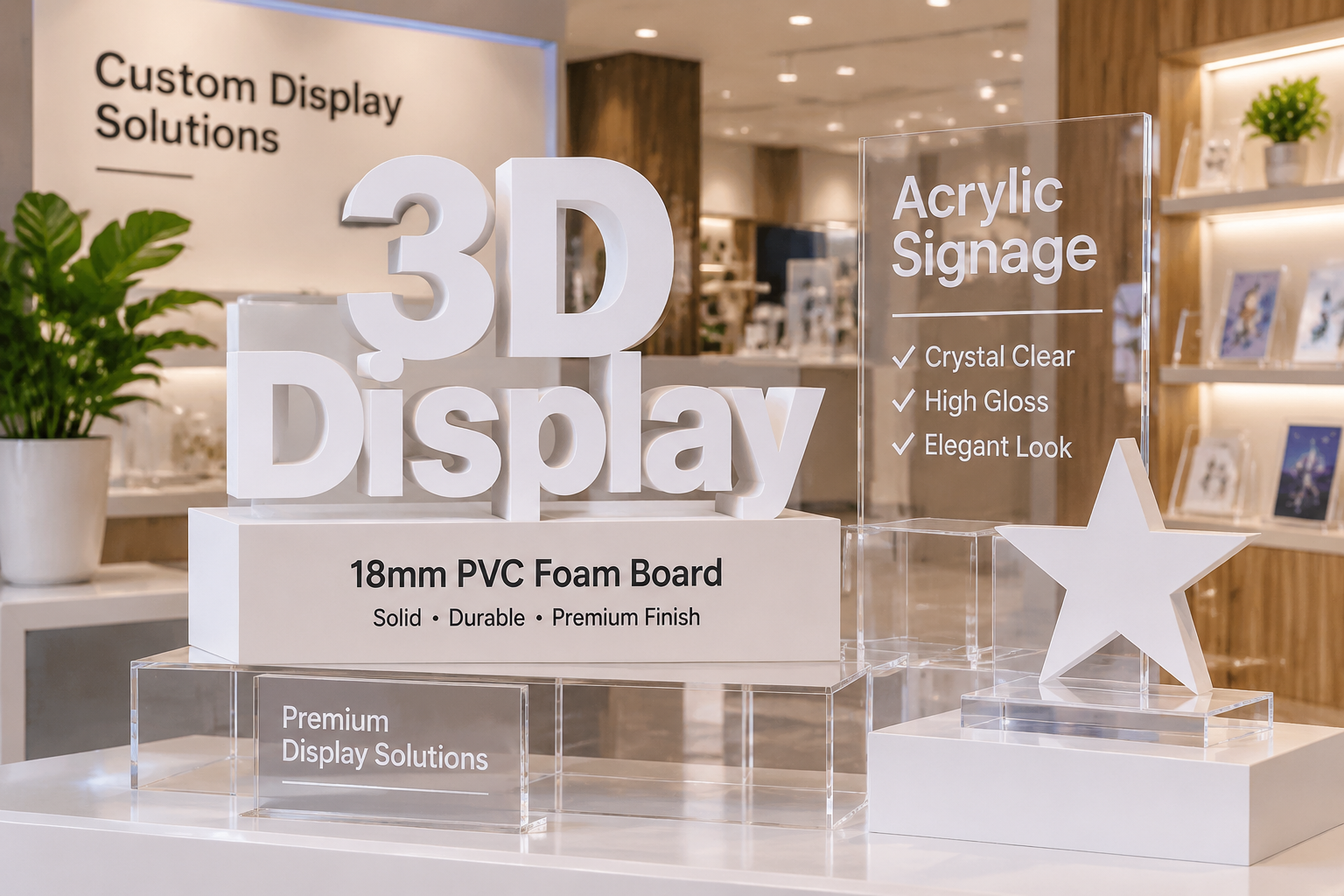
Figure 3: Commercial showroom interior combining 18mm painted PVC foam board 3D relief lettering with acrylic risers and illuminated display panels.
When to Choose 18mm PVC Foam Board:
- Opaque Painted 3D Letters: When letters need to be painted in custom corporate Pantone/RAL colors.
- Cost-Sensitive Large Volume POS Displays: Retail store fixtures, end-cap displays, and exhibition partitions.
- Direct UV Flatbed Printing: Direct full-bleed graphic boards for indoor wall murals and directional signs.
When to Choose Cast Acrylic:
- Illuminated Face-Lit & Halo-Lit Letters: Where light transmission and optical light diffusion are critical.
- Luxury Display Vitrines: Where pristine optical transparency and polished jewel-like edges are mandatory.
6. Summary Comparison Matrix
|
Property |
18mm Rigid PVC Foam Board |
18mm Cast Acrylic (PMMA) |
|
Optical Clarity |
Opaque (White, Black, Colors) |
Transparent / Translucent / Opaque |
|
Density |
approx. 0.55 g/cm³ |
approx. 1.19 g/cm³ |
|
Impact Resistance |
Excellent (Absorbs shock, shatterproof) |
Moderate (Brittle under sudden impact) |
|
Screw Holding Capability |
Direct screw insertion without pre-drilling |
Cannot accept direct screws (cracks) |
|
CNC Routing Speed |
Very fast (15-20 m/min) |
Moderate (4-8 m/min multi-pass) |
|
Laser Cutting |
Not Recommended (Toxic fumes) |
Exceptional (Polished laser edge) |
|
Fire Rating |
Self-extinguishing (UL94 V-0, Class B1) |
Combustible (Burns steadily) |
|
Raw Material Cost |
Highly Economical ($) |
Premium Pricing ($$$$) |
Recommended Products

Hot News
-
How to Install PVC Foam Board on a Wall: Adhesives, Fixings and Expansion Gaps
2026-10-30
-
Meet PLUSWIN at the 140th Canton Fair
2026-10-26
-
Importing PVC and WPC Boards from China: Landed Cost, HS Codes and Customs Documents
2026-10-22
-
PVC and WPC Board Fire Ratings Explained: ECE R118, ASTM E84 and EN 13501-1
2026-10-22
-
How to Cut, Drill and Bend PVC Foam Board: A Complete Fabrication Guide
2026-09-24
-
PVC & WPC Foam Board FAQ
2026-09-24
-
PVC Foam Board & WPC Board FAQ: Products, Customization, Quality and Shipping
2026-09-08
-
How to Test the Quality of PVC Foam Board: A Practical Buyer’s Guide
2026-09-08
-
Luxury Without the Price Tag: How PVC Marble Sheets Are Redefining Modern Interior Aesthetics
2026-08-14
-
Discover the rigorous quality control process inside the PLUSWIN factory. Learn how we guarantee consistent thickness, zero formaldehyde, and superior durability in every PVC board batch
2026-07-21